Professional Estate Appraisal for Diamonds and Gemstones in Canada by Jina’s Jewels

Understanding the true value of inherited, antique, vintage, or previously owned jewelry can be difficult without professional guidance. This is where an Estate Appraisal becomes valuable. Jewelry often represents both financial worth and meaningful family history, making accurate evaluation and documentation important. A professional Estate Appraisal helps identify the materials, gemstones, craftsmanship, condition, and other characteristics that may influence the value of a jewelry piece.
For families managing inherited jewelry, an Estate Appraisal can be useful for estate planning, inheritance distribution, insurance documentation, record keeping, and potential selling. Jina’s Jewels provides jewelry expertise and appraisal knowledge to help clients better understand their valuable jewelry and its unique characteristics.
What Is an Estate Appraisal?
An Estate Appraisal is a professional evaluation of jewelry associated with an estate or collection of previously owned pieces. The process involves examining jewelry to identify important characteristics that may influence its value.
During an Estate Appraisal, factors such as precious metal type, gemstone quality, diamond characteristics, craftsmanship, condition, design, markings, and other identifying details may be considered. The purpose of the Estate Appraisal can also influence the type of value being determined.
An Estate Appraisal is different from simply estimating jewelry value based on its weight or appearance. Professional examination can reveal details that may not be immediately visible to the owner.
Why Do You Need an Estate Appraisal?
When valuable jewelry is inherited or included in an estate, understanding what each piece represents financially can be important. Families may receive several jewelry pieces without knowing their exact materials, gemstone characteristics, age, or potential value.
A professional Estate Appraisal creates useful documentation for these pieces and can help family members understand what they own. This can be particularly helpful when an estate contains multiple valuable items that need to be divided among beneficiaries.
An Estate Appraisal may also provide useful information when families are organizing assets, maintaining records, planning an inheritance, or considering whether particular jewelry should be retained or sold.
What Does an Estate Appraisal Examine?
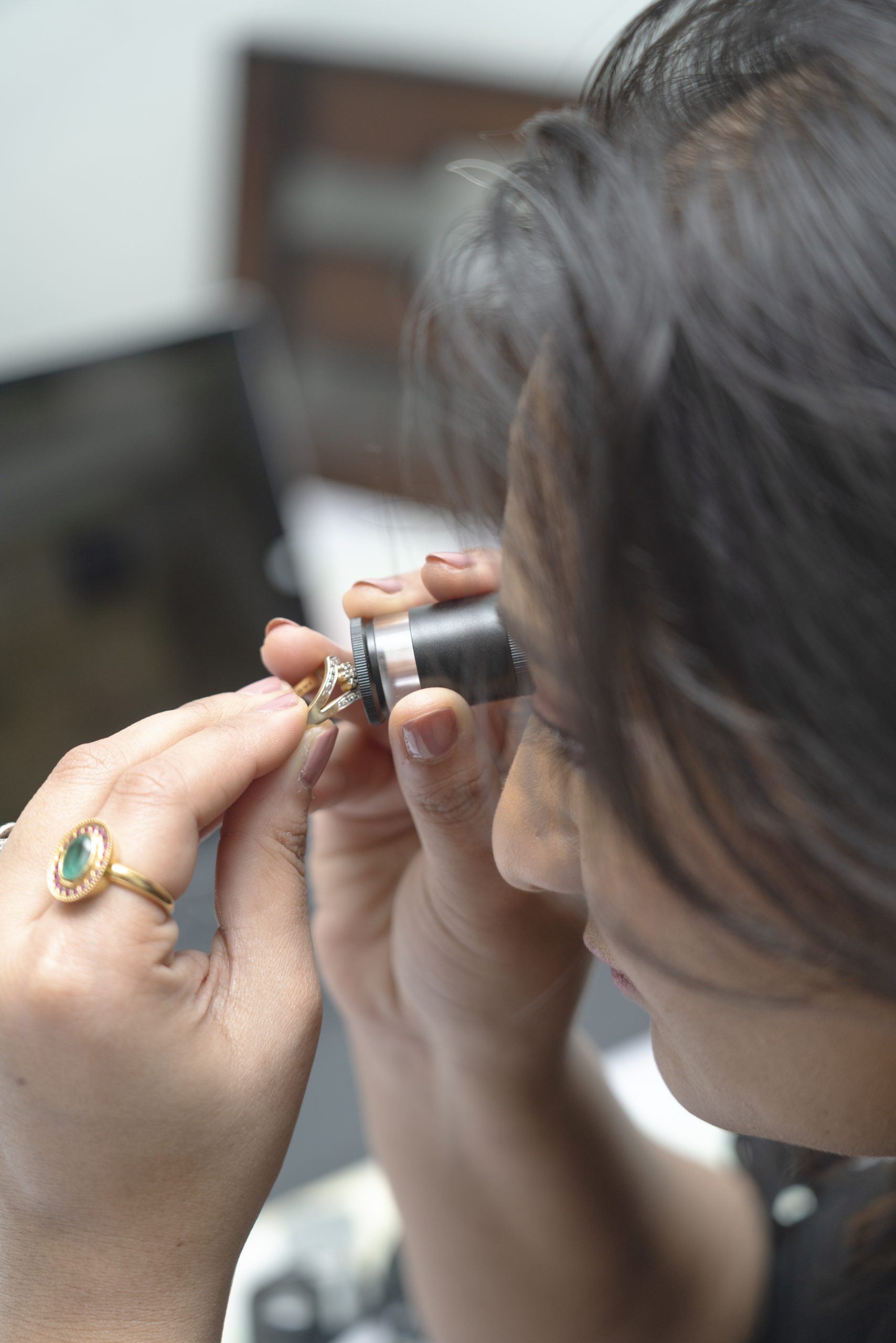
Every jewelry piece has characteristics that can contribute to its value. During an Estate Appraisal, precious metals such as gold, platinum, and silver may be identified, while diamonds and colored gemstones can be examined according to their relevant characteristics.
For diamond jewelry, characteristics such as carat weight, color, clarity, cut, and other identifying factors can be important. For colored gemstones, factors such as gemstone type, size, quality, treatment, and condition may be relevant.
The condition of a jewelry piece is also an important part of an Estate Appraisal. Scratches, worn settings, missing stones, repairs, modifications, or other signs of wear may affect the assessment.
Hallmarks, signatures, and manufacturer markings can provide additional information during an Estate Appraisal. These details may help identify metal purity, designer, manufacturer, or other characteristics associated with a jewelry piece.
Estate Appraisal for Inherited Jewelry
Inherited jewelry often has both emotional and financial significance. A necklace worn by a grandmother, a family engagement ring, or an antique bracelet can carry memories that make it especially meaningful. At the same time, the owner may want to understand its financial value and physical characteristics.
Through an Estate Appraisal, families can gain useful information about inherited pieces. Instead of relying only on assumptions based on appearance, jewelry can be professionally examined and documented.
Before arranging an Estate Appraisal, it can be helpful to collect any documents associated with the jewelry. Previous appraisal reports, purchase receipts, gemstone certificates, original packaging, photographs, and family records may provide useful background information.
Keeping jewelry in its existing condition before the Estate Appraisal can also be beneficial. Cleaning, repairing, resizing, or modifying an older piece may change some of its existing characteristics.
Estate Appraisal for Estate Planning
Proper documentation can make managing valuable jewelry within an estate easier. Families with substantial jewelry collections may want to maintain records of individual pieces so their assets are clearly identified.
With an Estate Appraisal, each jewelry item can be described according to its relevant characteristics. This can make it easier for families to identify different pieces and maintain organized records.
An Estate Appraisal can also be useful when discussing how jewelry may be distributed among family members. Having professional documentation can provide a clearer basis for understanding the different pieces within an estate.
Estate Appraisal Before Selling Jewelry
Many jewelry owners consider an Estate Appraisal before deciding whether to sell inherited or previously owned pieces. Understanding the characteristics of jewelry can help an owner become more informed before discussing a potential transaction.
An Estate Appraisal should not automatically be considered the same as the final selling price. Appraisal values depend on the purpose and methodology of the appraisal, while an actual offer may depend on market conditions, buyer demand, jewelry condition, and other factors.
For this reason, an Estate Appraisal is best understood as professional valuation documentation prepared for a particular purpose.
Professional Estate Appraisal at Jina’s Jewels
Choosing knowledgeable professionals for an Estate Appraisal is important because jewelry can contain many details that require specialized understanding. Gemstones, diamonds, precious metals, antique designs, and jewelry craftsmanship can all require different areas of expertise.
Jina’s Jewels brings jewelry knowledge and gemological expertise to the appraisal process. Different types of jewelry, including diamonds, gemstones, gold, silver, vintage pieces, and other valuable items, can require careful professional examination.
A professional Estate Appraisal can help clients understand the characteristics of their collection and maintain useful documentation for the future. Whether you have one inherited diamond ring or an extensive jewelry collection, an Estate Appraisal can provide valuable information about the pieces you own.
Understand the Value of Your Jewelry with Estate Appraisal
Every piece of jewelry has its own story, characteristics, and potential value. An Estate Appraisal can help document the materials, gemstones, craftsmanship, condition, and identifying details of jewelry that may hold significant personal and financial importance.
For inherited jewelry, an Estate Appraisal can help families organize their assets and preserve important information about valuable pieces. For estate planning, it can create useful documentation, while those considering selling jewelry can gain a clearer understanding of their pieces before making decisions.
Jina’s Jewels combines jewelry expertise with gemological knowledge to help clients better understand their valuable jewelry. If you need an Estate Appraisal for inherited jewelry, estate planning, documentation, or valuation purposes, professional appraisal can be an important step toward understanding and preserving the value and history of your jewelry.