Professional Estate Appraisal for Jewelry Valuation and Estate Planning in Canada by Jina’s Je
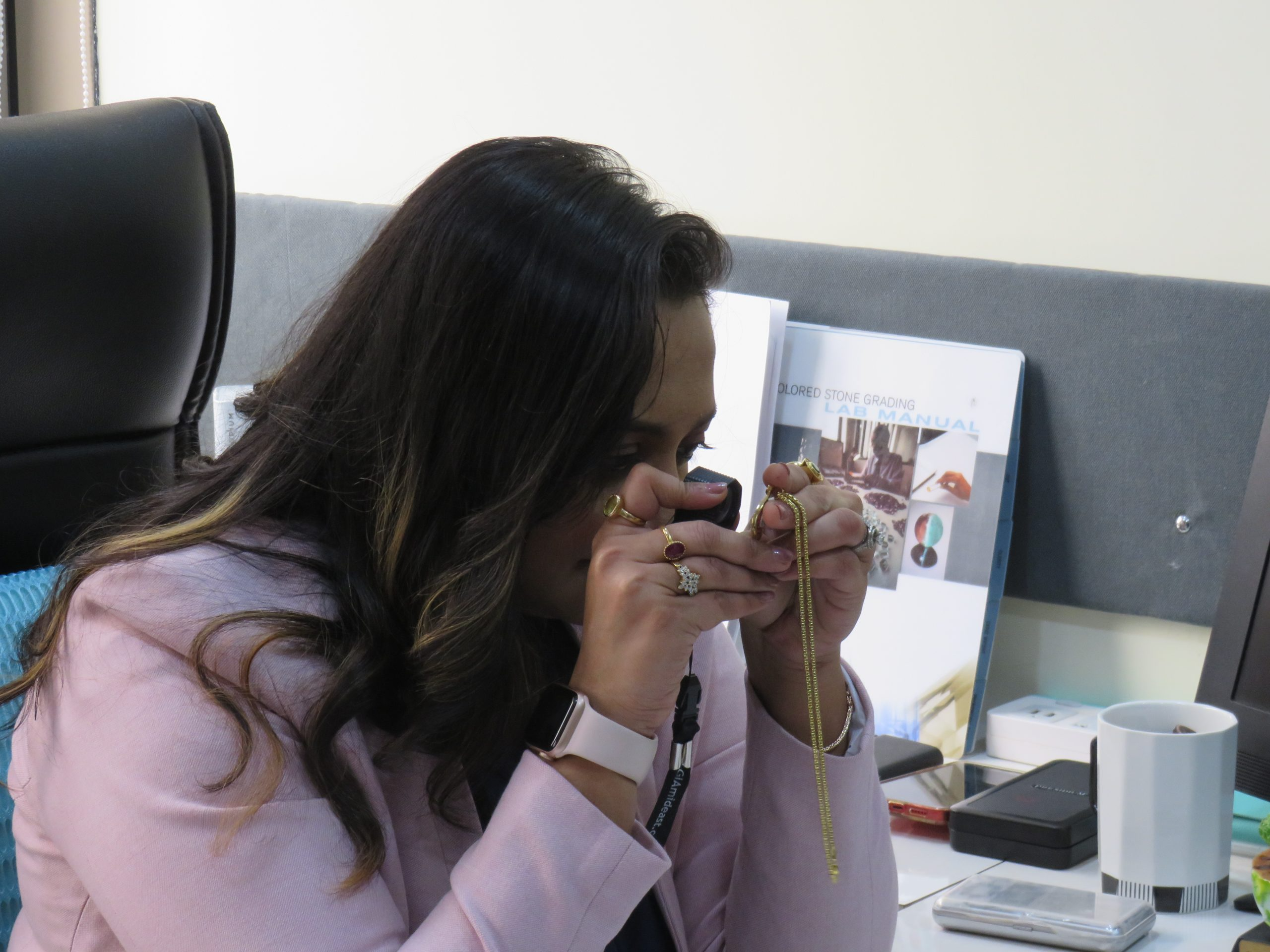
An Estate Appraisal is an important service for anyone who owns inherited, vintage, antique, or previously owned jewelry and wants to understand its value. Jewelry can carry both financial and sentimental importance, especially when it has been passed down through generations. A professional Estate Appraisal helps document the characteristics and estimated value of jewelry while providing useful information for estate planning, inheritance, insurance, selling, and family asset distribution.
At Jina’s Jewels, professional jewelry knowledge and gemological expertise can help clients better understand their valuable jewelry. Whether you have inherited a diamond ring, an antique necklace, a gemstone bracelet, or a collection of gold jewelry, an Estate Appraisal can provide valuable insight into the characteristics and potential value of each piece.
What Is an Estate Appraisal?
An Estate Appraisal is a professional evaluation of jewelry belonging to an estate or collection of previously owned pieces. The appraisal process examines different characteristics of jewelry, including precious metals, gemstones, diamonds, craftsmanship, condition, design, markings, and other identifying features.
The purpose of an Estate Appraisal can vary depending on the owner's needs. Some people require an appraisal after receiving inherited jewelry, while others may need documentation for estate settlement, insurance, family distribution, or potential sale.
Because jewelry can differ significantly in quality, age, design, and materials, an Estate Appraisal provides a more informed understanding of a piece than simply estimating its worth based on appearance or metal weight.

Why Is Estate Appraisal Important?
An Estate Appraisal can be particularly helpful when jewelry is being divided among family members. When an estate contains multiple valuable pieces, determining the characteristics and value of individual items can make the distribution process more organized.
For example, an estate may include diamond rings, gold necklaces, gemstone earrings, bracelets, watches, and vintage jewelry. Each piece can have different characteristics that influence its value. An Estate Appraisal helps document these differences and creates a professional record for reference.
An Estate Appraisal can also help families understand jewelry they may not be familiar with. A piece that appears simple may contain a valuable gemstone, distinctive craftsmanship, an important maker's mark, or another feature that affects its valuation.
What Is Included in an Estate Appraisal?
During an Estate Appraisal, jewelry may be carefully examined to identify its materials and important characteristics. Precious metals such as gold, platinum, and silver may be assessed, while gemstones and diamonds can be examined according to their relevant characteristics.
For diamond jewelry, factors such as carat weight, color, clarity, cut, and other identifying characteristics may be considered. Colored gemstones may require additional examination based on their type, quality, treatment, size, and other features.
The condition of the jewelry is another important consideration during an Estate Appraisal. Scratches, missing stones, worn settings, previous repairs, alterations, and other visible issues may be documented.
Marks and signatures can also provide useful information. Hallmarks may indicate metal purity, while designer or manufacturer markings may help establish the identity or origin of a piece.
Estate Appraisal for Inherited Jewelry
Inherited jewelry is one of the most common reasons people seek an Estate Appraisal. Family jewelry can have significant emotional value, but determining its financial value may require professional expertise.
An inherited necklace, engagement ring, bracelet, or pair of earrings may have been kept in the family for decades. Without proper examination, it can be difficult to know the quality of the gemstones, purity of the metal, age of the design, or other characteristics.
An Estate Appraisal provides an opportunity to document these details. It can help family members understand what they have inherited and preserve information about valuable pieces for future generations.
Before bringing inherited jewelry for an Estate Appraisal, it is generally useful to gather any available receipts, previous appraisals, certificates, original boxes, family records, or other documentation related to the jewelry.
Estate Appraisal for Estate Planning
An Estate Appraisal can also be useful as part of estate planning. Families with valuable jewelry collections may want to document their assets in advance rather than waiting until jewelry needs to be divided or transferred.
Having professional documentation for jewelry can make it easier to identify individual pieces and understand their characteristics. An Estate Appraisal may also help provide a clearer record when discussing the distribution of jewelry among family members.
For families with substantial jewelry collections, keeping appraisal records updated when appropriate can help maintain organized documentation of valuable assets.
Estate Appraisal and Jewelry Selling
An Estate Appraisal can provide useful information before selling inherited or previously owned jewelry. Understanding the materials, gemstones, craftsmanship, and other characteristics of a piece can help an owner approach the selling process with greater knowledge.
However, an Estate Appraisal and the eventual selling price of jewelry are not necessarily identical. Different valuation purposes can produce different values, and actual offers may depend on market conditions, buyer demand, jewelry condition, and other factors.
For this reason, an Estate Appraisal should be considered a professional valuation prepared for a specific purpose rather than a guaranteed selling price.

Professional Estate Appraisal with Jina’s Jewels
Selecting experienced jewelry professionals is an important part of obtaining an Estate Appraisal. Jewelry appraisal requires knowledge of gemstones, precious metals, jewelry construction, design, and other characteristics that can influence value.
Jina’s Jewels offers jewelry appraisal and gemological expertise along with jewelry design services. Its expertise can help clients understand different types of jewelry, including diamonds, gemstones, gold, silver, and other valuable pieces.
When arranging an Estate Appraisal, providing as much background information as possible can be helpful. Details about when a piece was purchased, where it came from, previous ownership, certificates, receipts, and family history may provide useful context for the appraisal process.
Understand Your Jewelry with an Estate Appraisal
An Estate Appraisal can help turn an inherited or previously owned jewelry collection into a documented and better understood asset. From diamond rings and gemstone necklaces to antique bracelets and gold jewelry, each piece can have unique characteristics that contribute to its value.
Whether you need an Estate Appraisal for inheritance, estate planning, family distribution, insurance documentation, or general knowledge, professional evaluation can provide useful information about your jewelry.
Jina’s Jewels combines jewelry expertise and gemological knowledge to help clients understand their valuable pieces. If you have inherited jewelry or are managing a jewelry collection as part of an estate, an Estate Appraisal can be an important step toward understanding, documenting, and preserving the value and history of your jewelry.